
Everyone left the offsite feeling great. Then nothing changed.
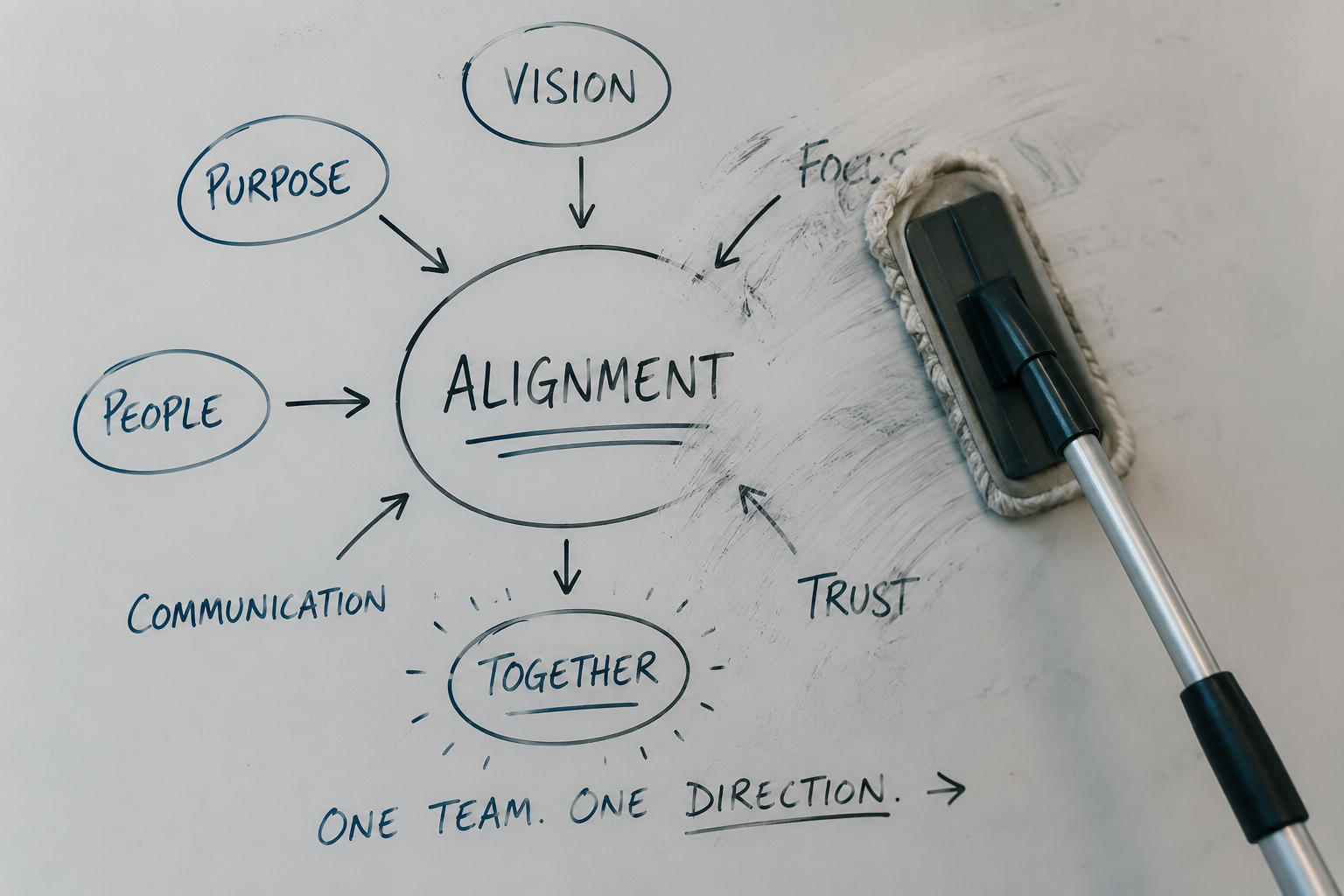
One way or another, offsites generate energy. An effective one generates the inspiration and resolve to leave the room and act differently, together. An ineffective one generates the heavy disillusionment that kills any appetite for trying again.
Either way, companies are spending significant money - facilitator fees, venue costs, and the sheer weight of senior man hours in one room - to make pragmatic change. Change that lasts. More often than not, that's not what they get.
Here's why.
1. The mistake happens before the venue is booked
The most common failure isn't in the room. It's in failing to step back and work out where collective attention actually needs to go. Two questions I use: what is the single most valuable thing this group could work on today? And what do we need to discuss that, if we sorted it, would make most of our other problems lessen or disappear?
These force focus onto causes - cultural resentment, mistrust, apathy - rather than symptoms like missed deadlines or inter-departmental friction.
2. The agenda is too crowded
Even when the right topic surfaces, it gets buried. Executives typically arrive with five or six things to cover. Many external facilitators make this worse by proposing multi-topic agendas - often because they fear being honest about what the client actually needs. One topic, done properly, is worth more than six done quickly.
3. The location works against you
Any offsite held on-site is starting on the back foot. Leaders stay accessible to their teams, people drift back into usual patterns, and the conversations that need to happen don't. The physical separation matters - not for the aesthetic, but because it changes what people are willing to say.
4. The tone of the day isn't set up properly
Too few facilitators spend enough time at the start being explicit about what the day is for. If it's uncomfortable to say plainly, it gets said in corporate language instead - which means ten people leave the opening with ten different unspoken versions of what they're there to achieve. The agenda also needs room to breathe. The offhand remarks and unscripted moments are often where the cultural problem becomes visible.
5. Nothing is done with the energy
This is usually the biggest reason. The day ends, people feel inspired, and almost no time has been spent on how the change actually happens. We don't think ourselves into a new way of acting - we act our way into a new way of thinking. Next steps need to be concrete. "Be more collaborative" is not a next step. Without accountability mechanisms and agreed timelines, everyone leaves waiting for someone else to start.
An offsite is not the change. It's the start of it. Lifting the weight in the gym doesn't make you stronger - it starts the process that does. What happens after the offsite is what determines whether the day was worth anything.