

Articles
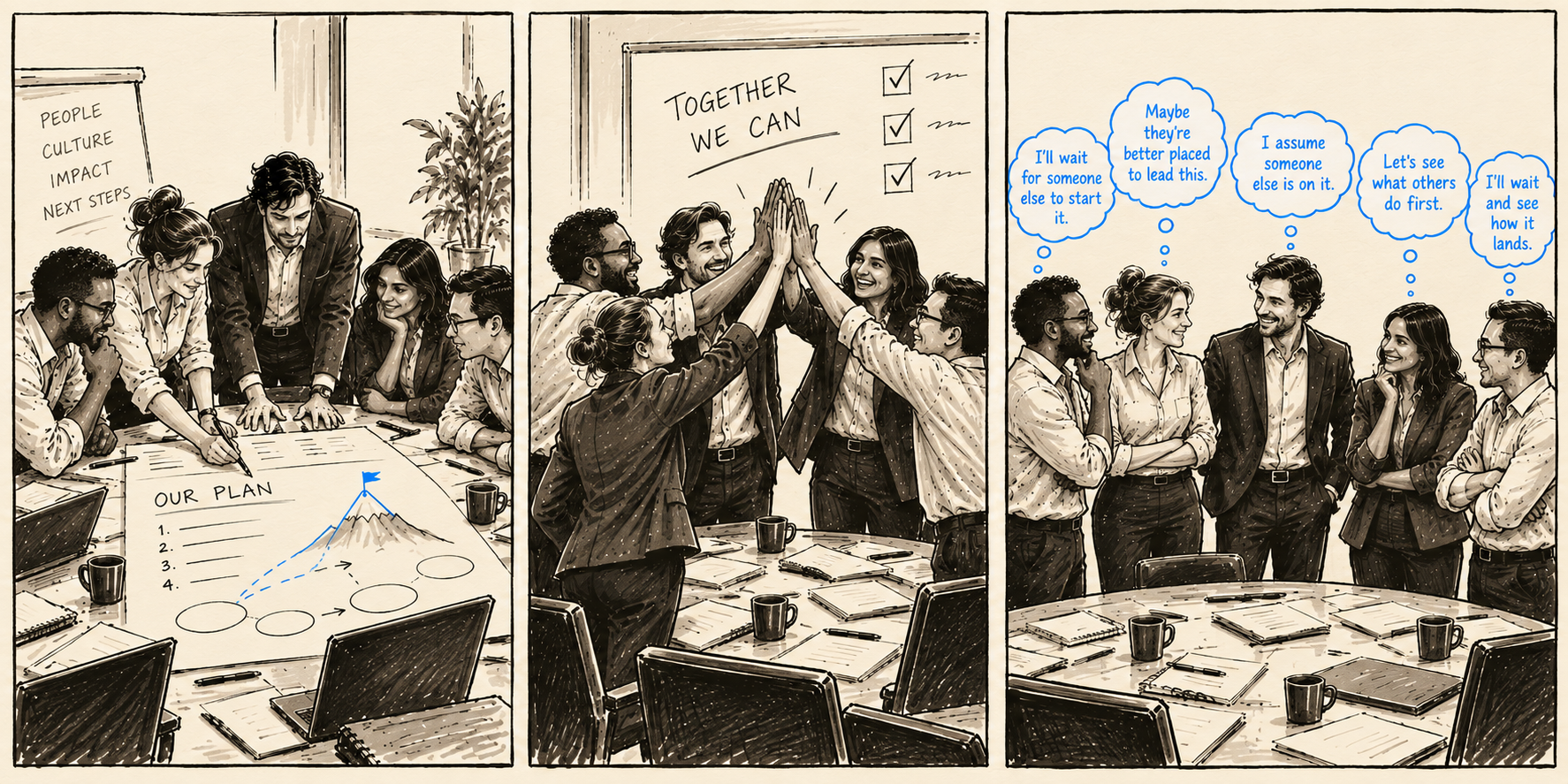
Why not much happened after the Away Day
Leadership teams leave away days energised and aligned. Three months later, almost nothing has moved. Here's the structural reason, and what actually holds a commitment in place.
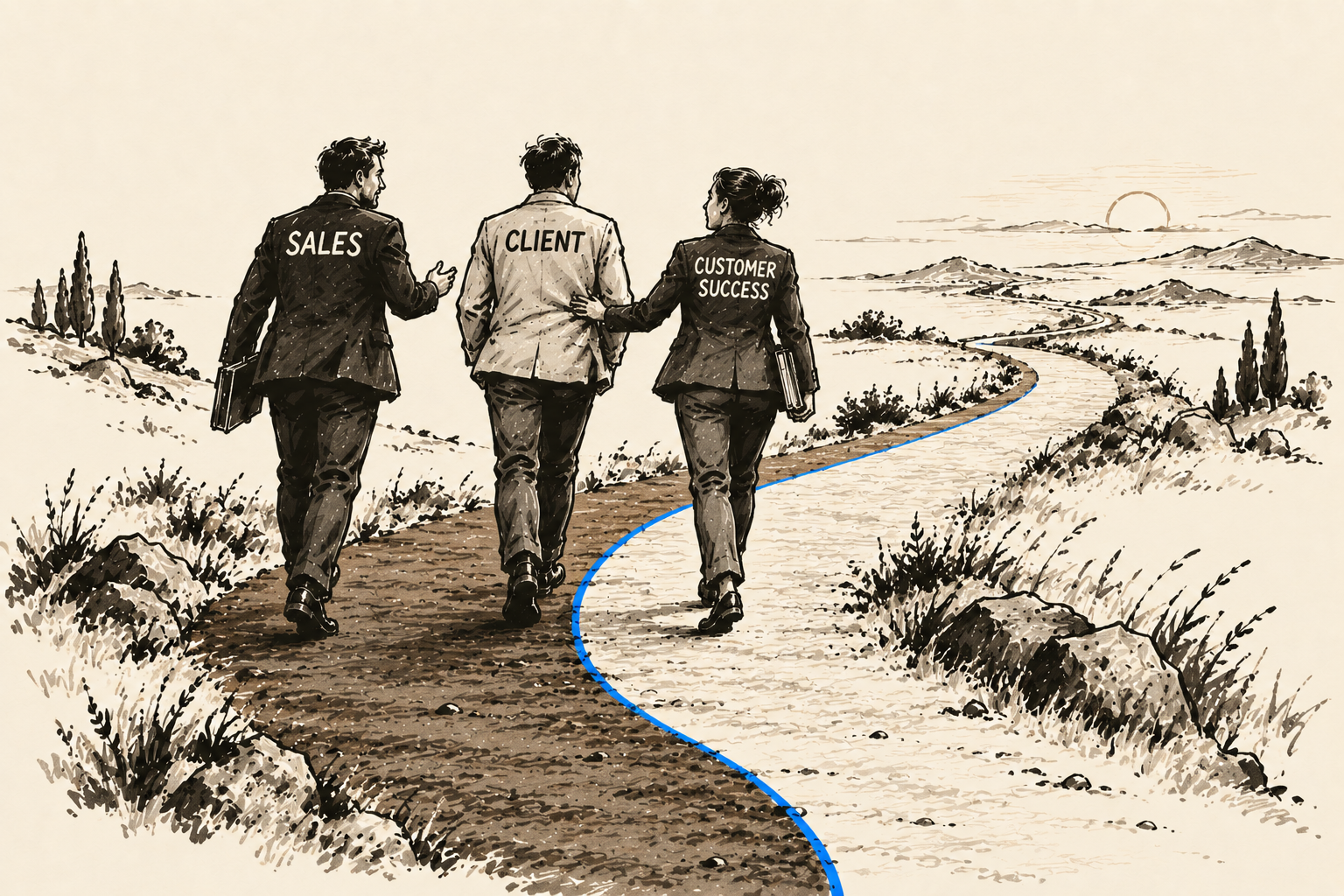
CS vs. Sales 2 - Poetry and Prose
Sales sells the potential. CS delivers it. Understanding the gap between them changes how both teams work.
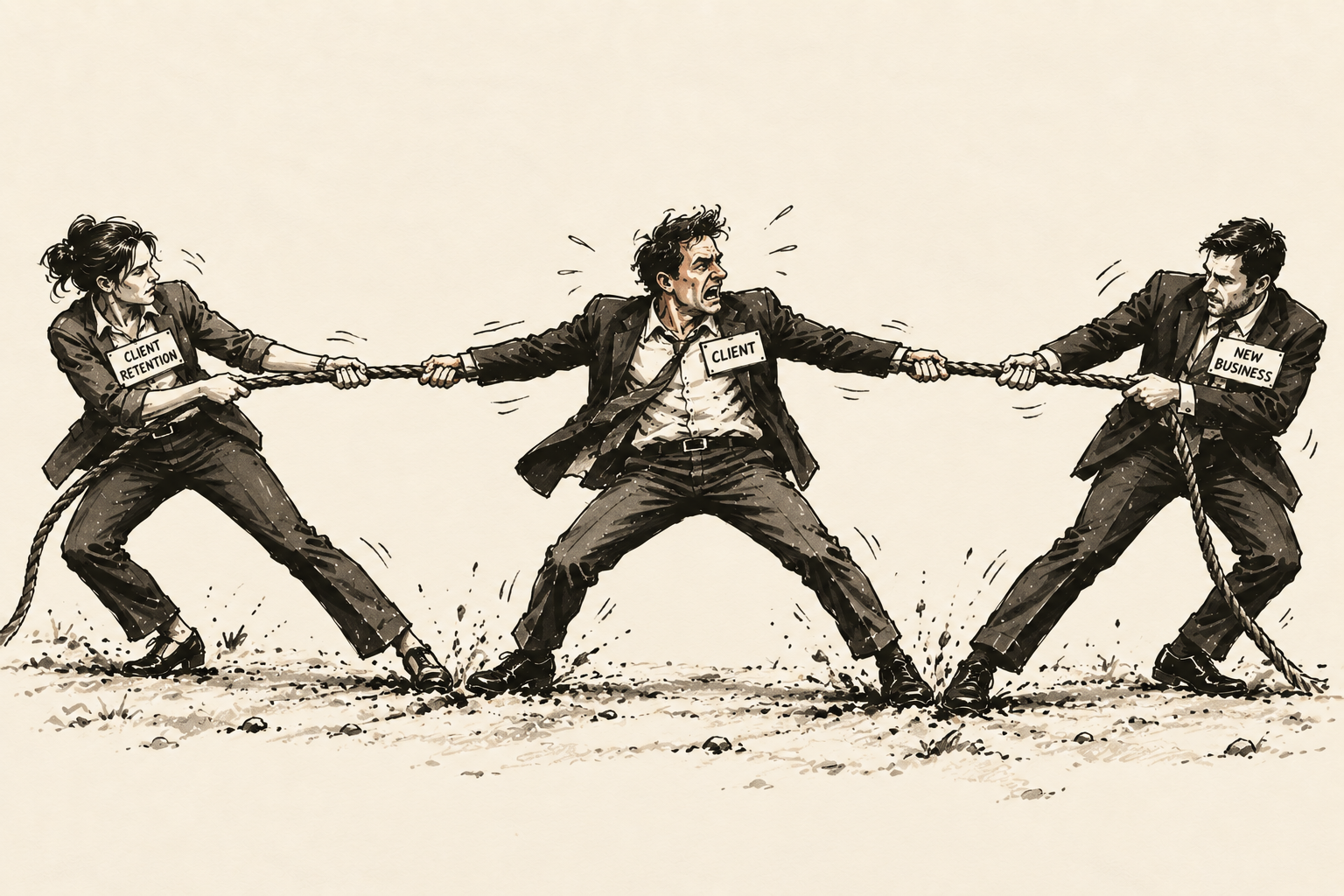
CS vs. Sales 1 - Commission and credit
The friction between sales and CS isn't a personality problem. It's a credit and incentive problem, and pretending otherwise keeps it from ever getting fixed.
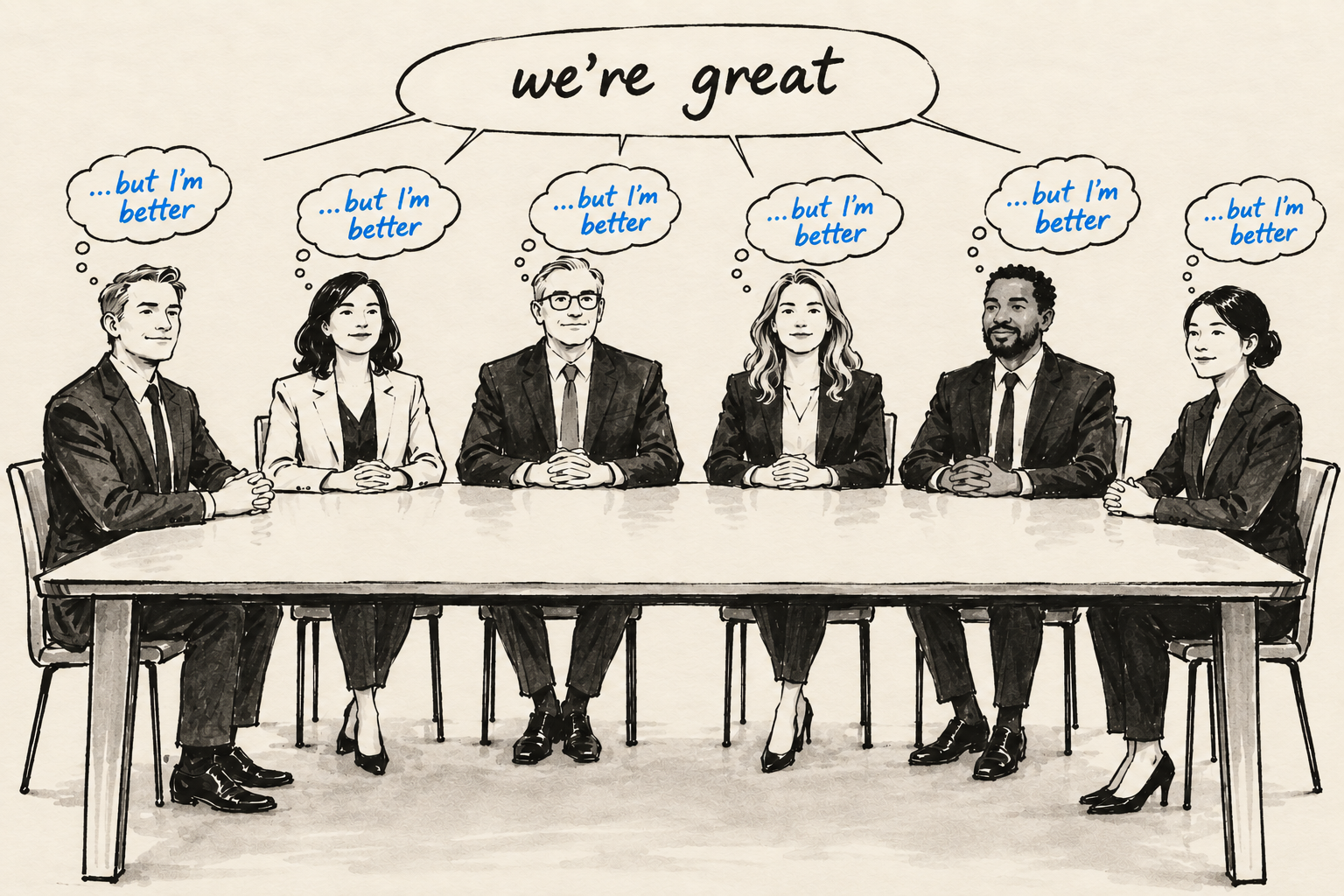
Stage 3 ELTs and why they struggle
Stage three cultures look unified on the surface. Here's why that alignment collapses under pressure, and what it takes to build the kind that doesn't.
When ownership changes, what built the company isn’t always what the company needs next
PE ownership tests culture fast. Here’s how to tell which habits are worth defending and which were never commitment at all.
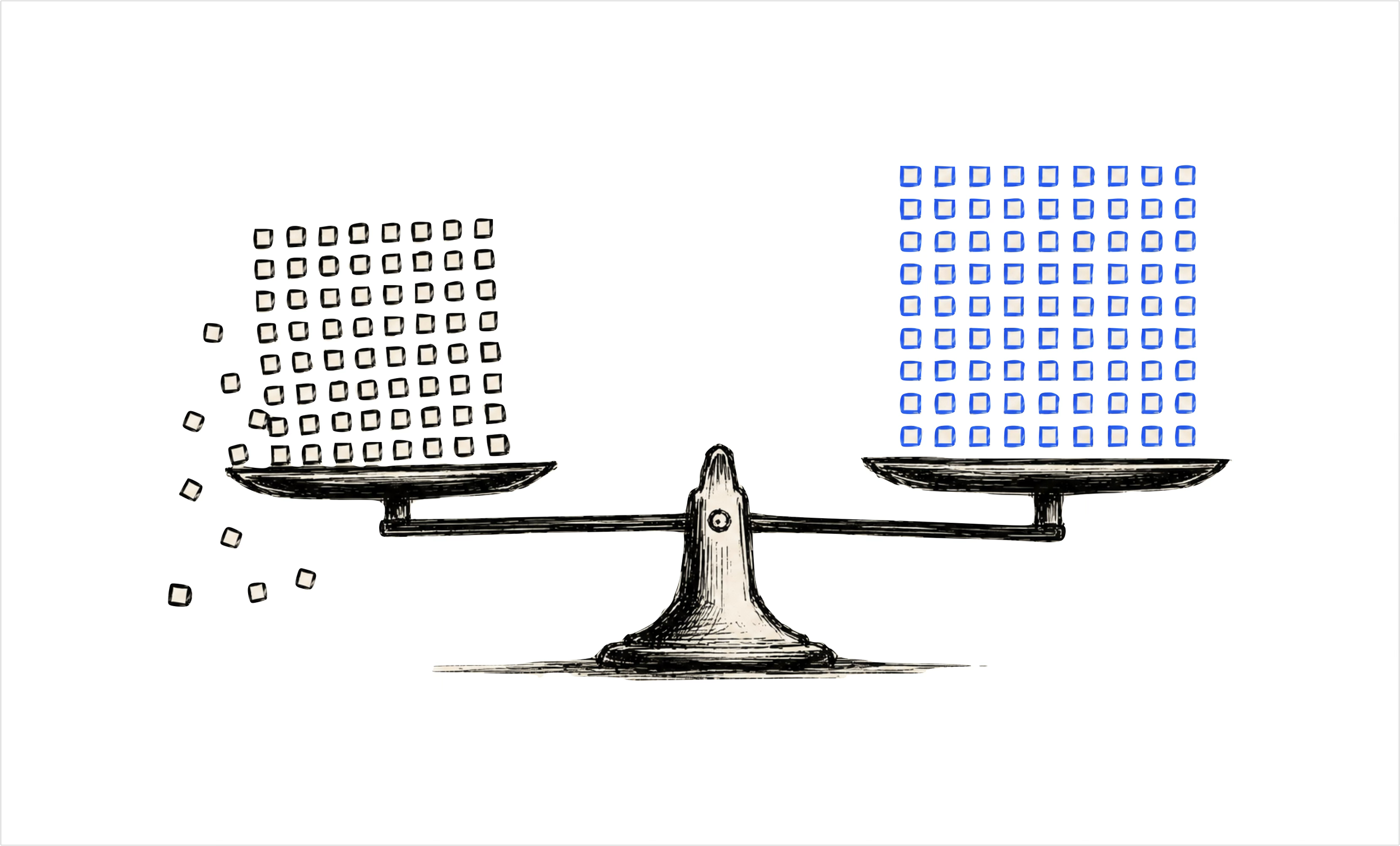
Leadership As a Valuation Factor (Reason #4 - Balance)
Protecting a team from difficult truths usually backfires. Here's why silence creates more stress than honesty - and what it costs a company both immediately and over time.

Leadership As a Valuation Factor (Reason #3 - Channelling)
Effort that reaches the customer, and effort that exists in the first place, both matter. Neither means much if it isn't aimed at the right target. Here's the third valuation lever leadership controls.

Leadership As a Valuation Factor (Reason #2 - Energising)
A compelling vision earns commitment. It doesn't reliably earn effort beyond what's asked. Here's what actually does - and why it's a second, distinct valuation lever from the one leadership usually gets credit for.

Leadership As a Valuation Factor (Reason #1 - Allocation)
Even a fully engaged team can lose a huge share of its effort to friction before it ever reaches the customer. Here's why that's a valuation problem, not just a culture one.

That your team gets along might be the problem.
A team that gets on well isn't always a team that trusts each other. Here's what's usually hiding underneath, and why it quietly caps performance.

Understanding a Strategy and Acting on It Are Two Different Things
Understanding a strategy and acting on it are different things. Here's why teams stall even when the plan is clear - and what actually gets the first move to happen.

Why do technically brilliant leaders avoid difficult performance conversations?
Technically brilliant leaders often avoid the harder people conversations. It's not weakness - it's entirely predictable. Here's why it happens and what actually shifts it.

Why the manager is usually the wrong person to facilitate the conversation
The CEO says it's the manager's job to have the hard cultural conversation. Here's why that's true in theory and consistently fails in practice.
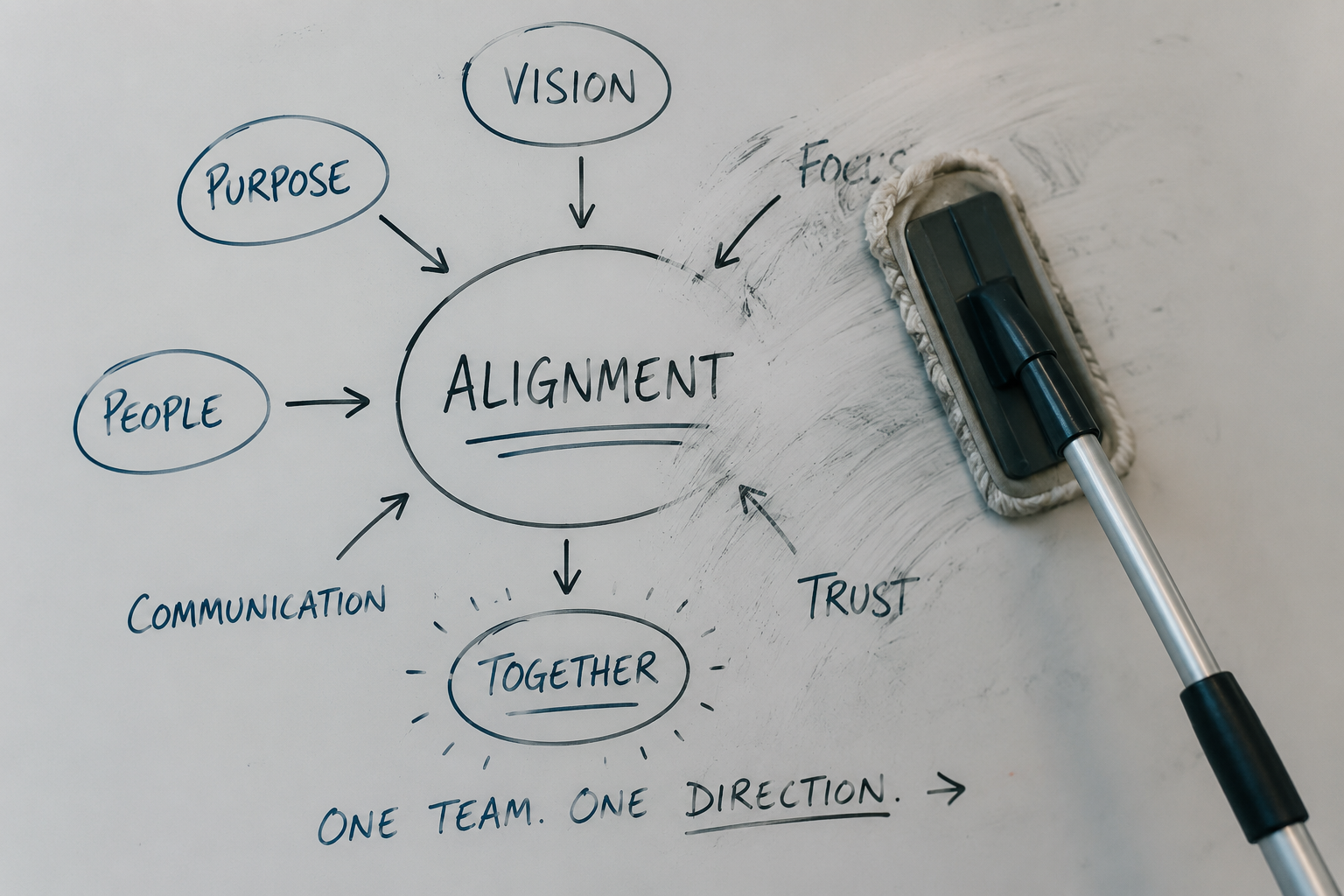
Everyone left the offsite feeling great. Then nothing changed.
Most leadership offsites generate energy but not change. Here are the six reasons why - and what needs to happen differently before, during, and after the day.

You promoted your best engineer. Now what?
Promoting your best technical person into leadership seems like the obvious move. It often isn't. Here's why - and what to do about it.

Stage 3 is why your Leadership Team agrees on everything and is completely misaligned
If your leadership team leaves every meeting aligned but pulls in different directions by Friday, the problem isn't process. It's culture. Here's why.


The Freedom of Goodness
Perfection holds a strange power. It’s an ideal that demands everything but gives nothing back. And while we know nothing and no one can truly be perfect, perfection still lingers as an unspoken expectation in our minds. It’s sneaky. It convinces us that “good” isn’t quite enough, that striving for anything less than perfection is settling.
But what if it’s the opposite? What if the real problem is perfection itself?

How Clearly Do You (Think You) Communicate?
We’ve all experienced the leader who’s convinced they’ve made their point. They’ve said it in meetings, included it in emails, maybe even put it on a slide. Yet somehow, the team isn’t acting on it.

The Beauty of Sadness
Leadership often calls us to be strong, clear, and composed. These qualities are important, but they aren’t the whole story. Beneath the surface, leadership also brings moments of doubt, loss, and sadness. It’s tempting to push these feelings aside, focusing instead on solutions and progress. But what if these moments of discomfort are part of what makes us better leaders?